
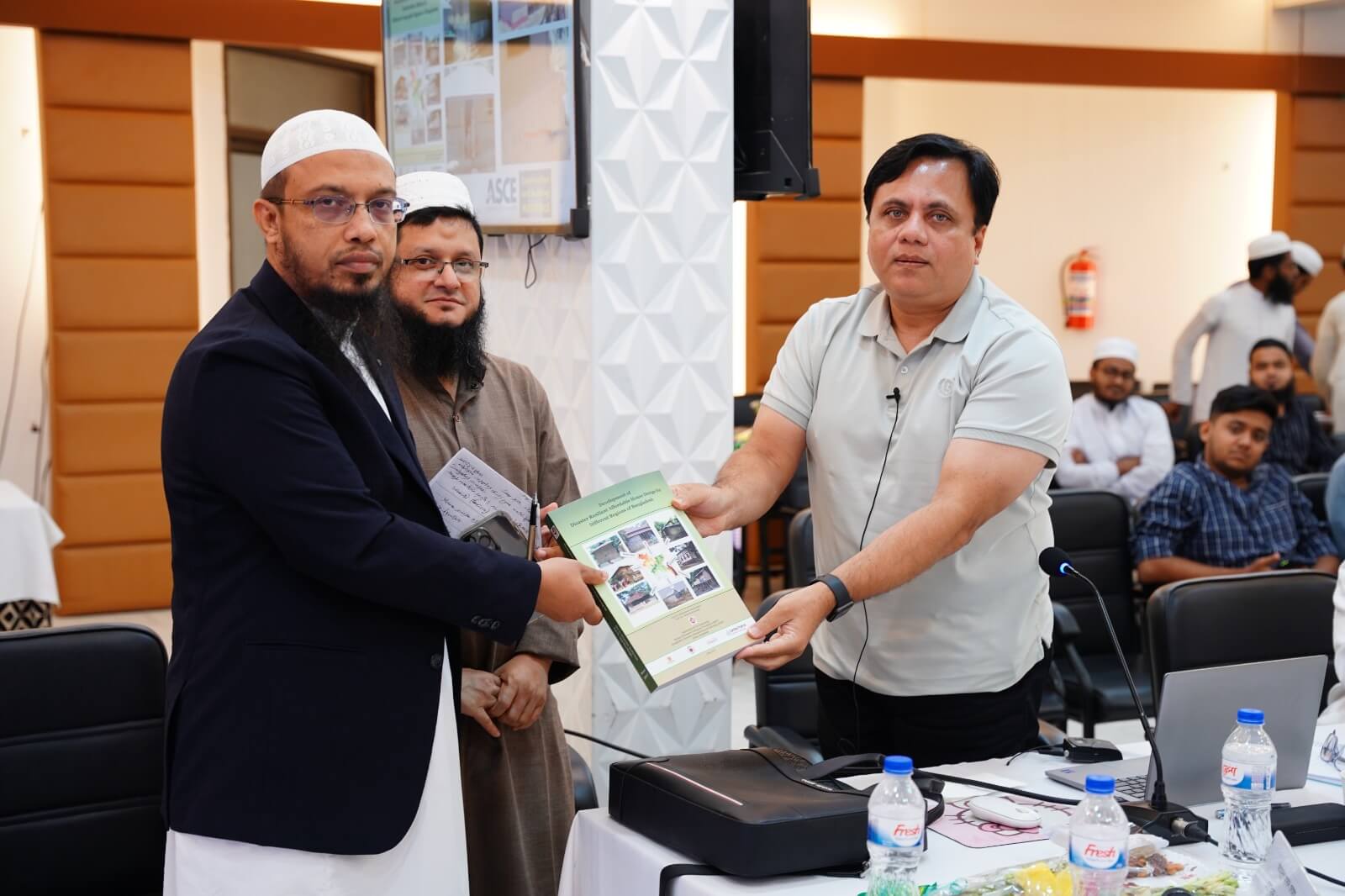
To reduce the severity and damage caused by floods and to formulate sustainable rehabilitation strategies, As-Sunnah Foundation organized a roundtable discussion on October 5th. Experts in relevant fields participated in the event. The meeting was held at the BIAM Auditorium in New Eskaton. Presided over by the chairman of As-Sunnah Foundation, Sheikh Ahmadullah, attendees included Sardar Uday Raihan (Executive Engineer, Flood Forecasting and Warning Center, Bangladesh Water Development Board), Dr. Hafiz Ashraful Haque (Shahbaz) (Chairman, Department of Coastal Studies and Disaster Management, Barisal University), Dr. Md. Shariful Islam (Professor, Department of Civil Engineering, BUET), Jawad Ibn Farid (Lecturer, Institute of Disaster Management and Vulnerability Studies, University of Dhaka), Mu. Rezaul Rakib (Associate Professor, Department of Geography and Environment, Jahangirnagar University), Dr. Abu Reza Md. Toufiqul Islam (Associate Professor, Department of Disaster Management, Begum Rokeya University), Dr. Muhammad Masud (Superintending Engineer, Bangladesh Water Development Board), Arif Chowdhury (Assistant Professor, Climate and Disaster Management, Jessore University of Science and Technology), Dr. Mohammad Sarwar Hossain (Associate Professor, Independent University), among others.
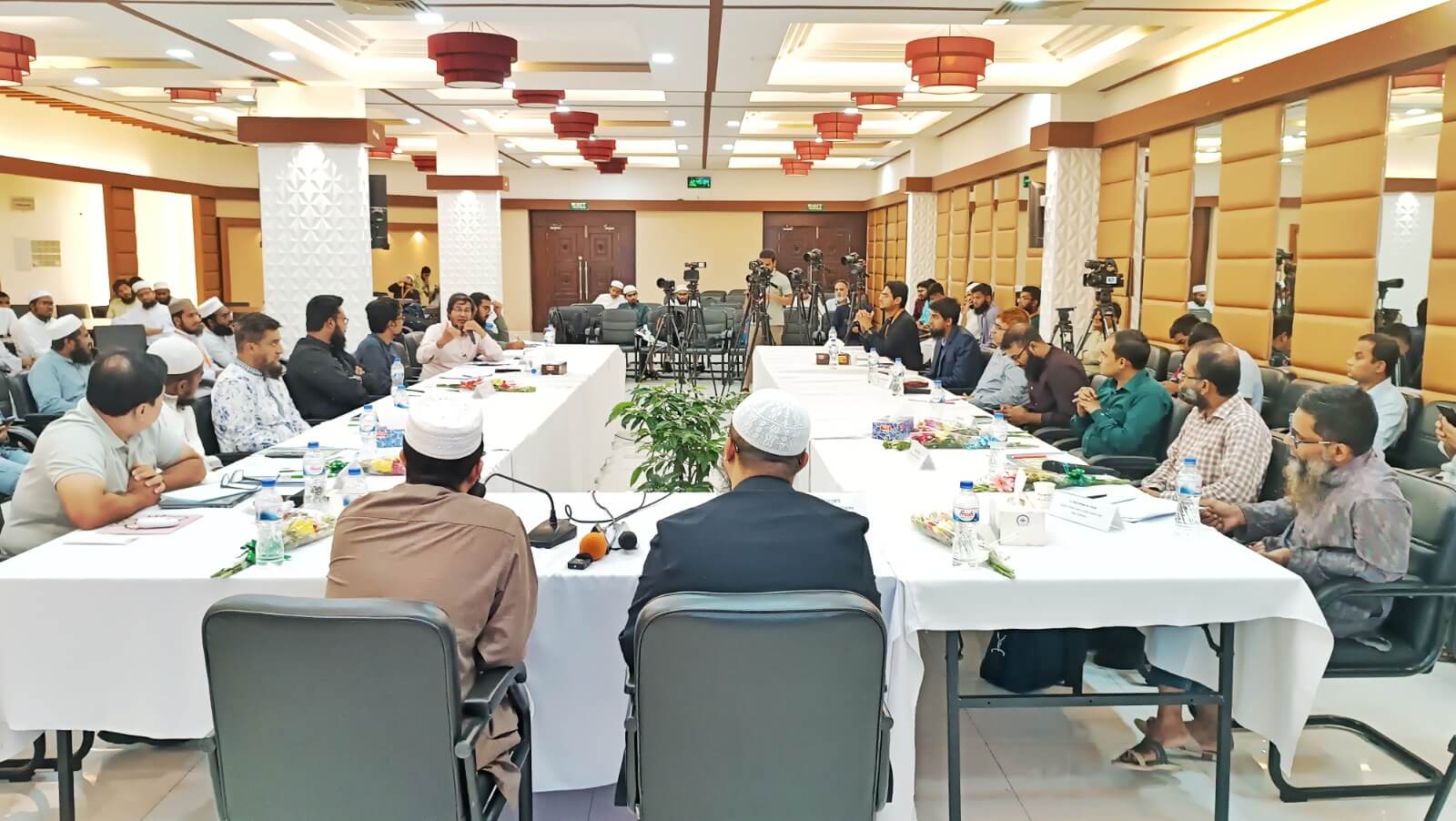
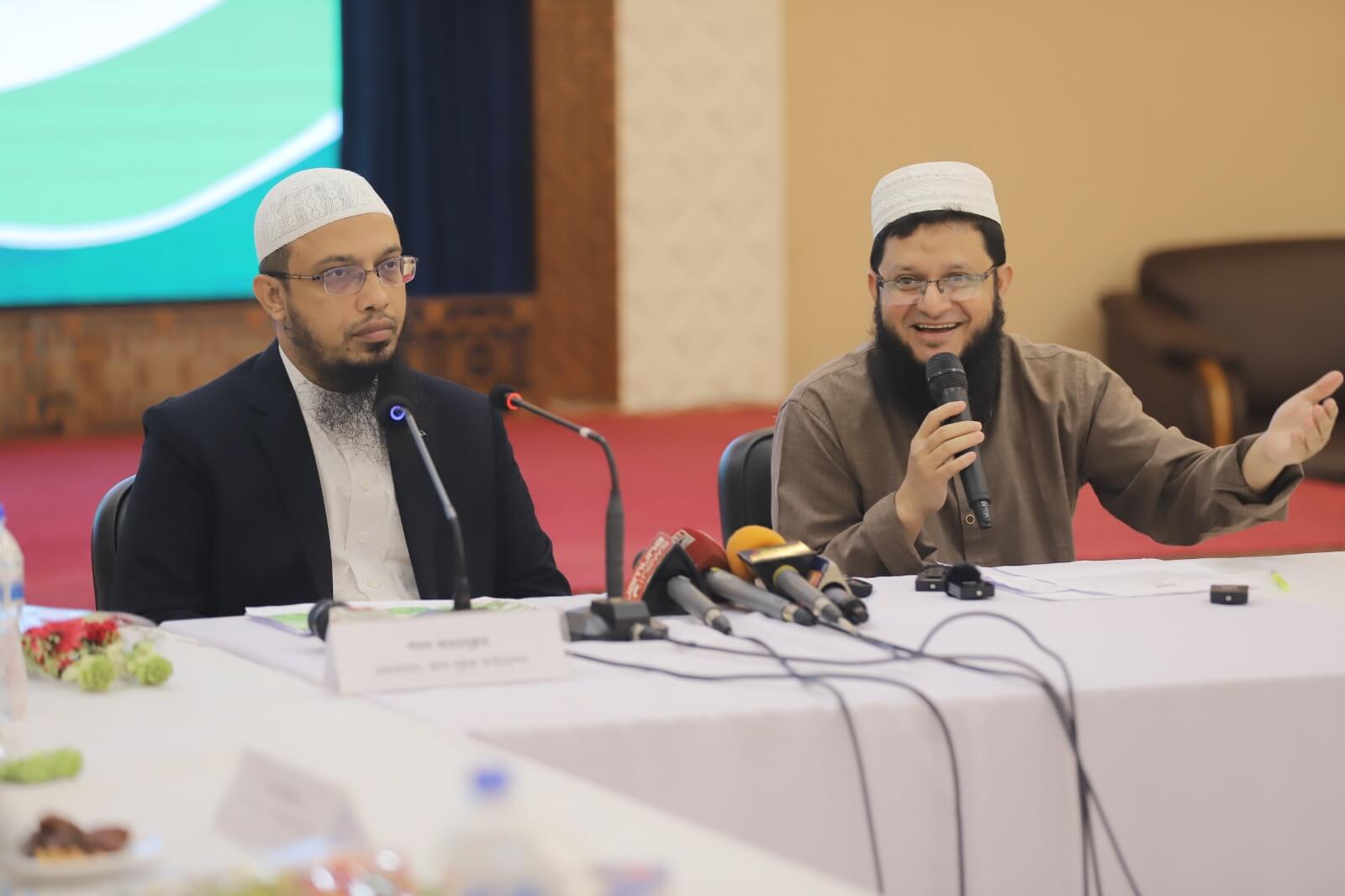
At the beginning of the meeting, Sheikh Ahmadullah presented As-Sunnah Foundation's relief activities during the 2024 floods. He outlined the purpose of the roundtable discussion, saying, Roundtable meetings usually offer special messages and advice to the government. However, in this meeting, we sought advice from experts. Therefore, we have named this roundtable discussion 'Sustainable Strategies for Coping with Flood Situations and Rehabilitation: The Role of Organizations and Integrated Strategies.'
Dr. Hafiz Ashraful Haque (Shahbaz) suggested that As-Sunnah Foundation could use technology to send mass warning voice messages to affected regions before disasters. He also recommended distributing solar panels extensively after disasters to meet electricity demands.
Dr. Md. Shariful Islam noted that houses vary across regions. Therefore, he advised constructing homes for affected people according to their specific needs during rehabilitation.
Sardar Uday Raihan recommended using mosque loudspeakers at the local level to raise public awareness in flood preparedness. Mu. Rezaul Rakib emphasized the need to encourage everyone to build houses and structures according to proper planning. He highlighted the role of mosque imams, teachers, and conscious citizens in reclaiming occupied canals.
Jawad Ibn Farid advised As-Sunnah Foundation to develop a specialized app for farmers in flood-prone areas.
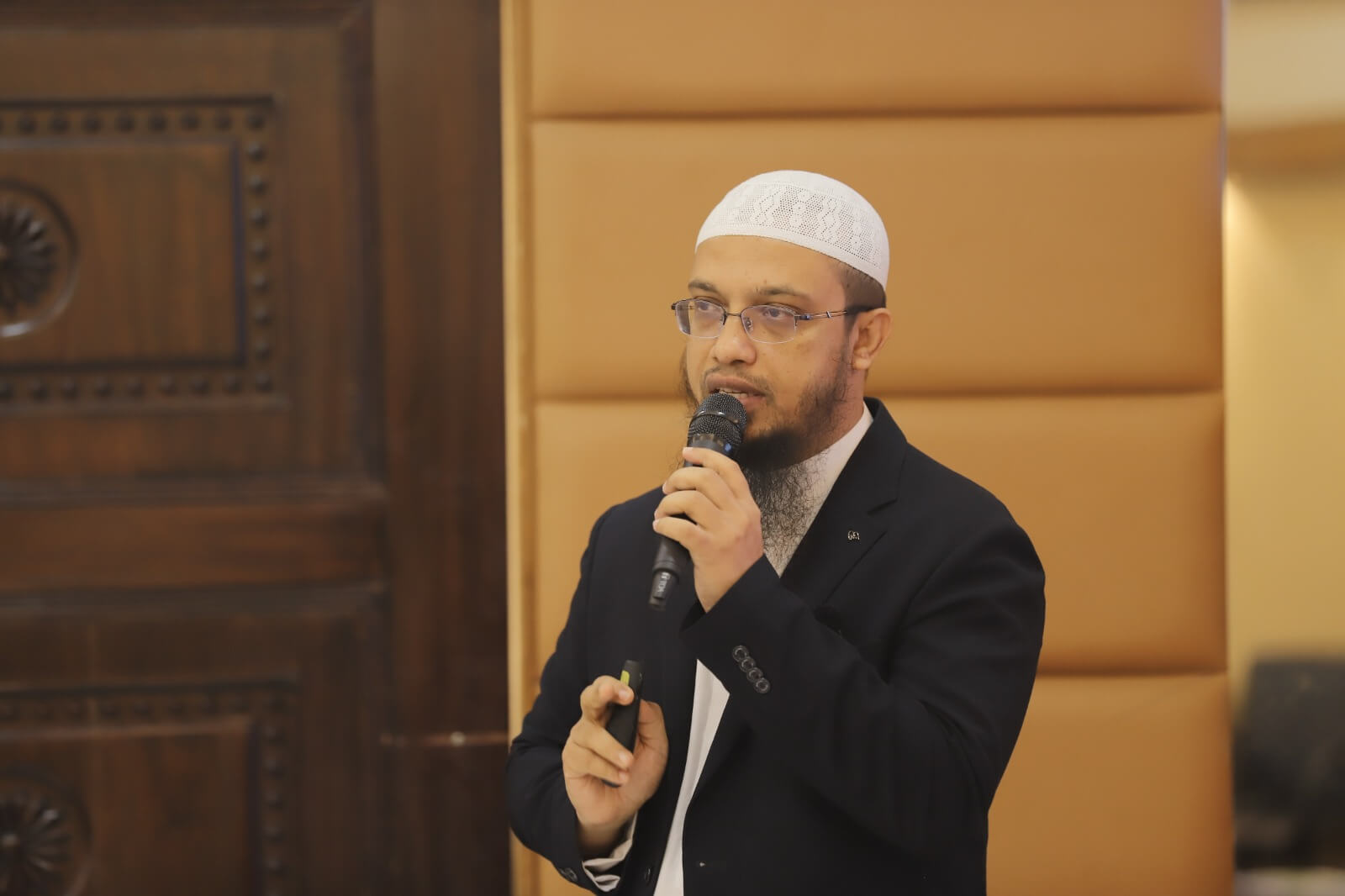
Dr. Abu Reza Md. Toufiqul Islam suggested that As-Sunnah Foundation could form a special workforce and provide them with training. "If flood warnings reach people properly, it's possible to reduce resource losses by eight times," he said. He added, "Floods do not occur due to river water but because of human errors. Therefore, people need to be made aware." He also advised building permanent shelters. Dr. Muhammad Masud proposed that to reduce flood propensity, different haor regions could be designated for floodwater in different years. As-Sunnah Foundation could build small embankments with the help of local manpower.
Arif Chowdhury suggested that As-Sunnah Foundation could arrange adequate training for students of schools and madrasas in flood-prone areas, enabling them to take appropriate actions during disasters.
Dr. Mohammad Sarwar Hossain emphasized that during floods, attention should not only be on waterborne diseases but also on other common illnesses. He stressed the need to provide medical care, especially for elderly women and children. He advised As-Sunnah Foundation to establish a mosque-based social system and undertake long-term initiatives to combat disasters during floods.
Additionally, the General Secretary of As-Sunnah Foundation, Sabbir Ahmad, discussed the organization's role in various disasters. The event was moderated by Mahmudul Hasan Sohag, Chairman of Onnorokom Group.
At the conclusion of the meeting, Sheikh Ahmadullah expressed special thanks to the experts.